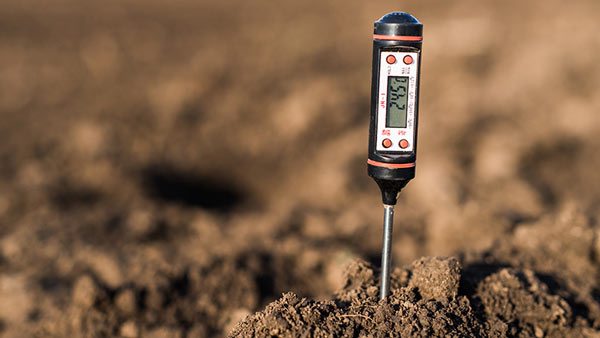
The dormant season in Eastern Washington presents a unique opportunity for growers to evaluate their soil’s health. During the winter months, orchard and vineyard activities slow down, making it an ideal time to plan for the upcoming growing season. Winter soil testing provides the data needed to make informed decisions about amendments, fertilization, and irrigation management. Since plants are not actively growing, changes to the soil chemistry won’t disrupt critical stages of crop development.
Moreover, winter soil testing ensures there is enough time to analyze results and apply necessary treatments before the onset of spring. This is especially beneficial in areas like Pasco, WA, and Yakima, WA, where early spring conditions can accelerate the growing cycle. Taking soil samples in the winter means you’re ahead of the curve, addressing deficiencies and imbalances that might otherwise affect early-season growth and yield.
How Winter Soil Testing Benefits Orchards
In Eastern Washington, orchardists understand the importance of preparing well in advance. An orchard soil test during winter can identify nutrient deficiencies, pH imbalances, and salinity issues that could hinder tree performance in the growing season. Trees in orchards rely on deep-rooted nutrient uptake, and a soil test can help determine whether subsoil layers are supportive or in need of remediation.
Testing soil during the dormant season also allows growers to observe the residual effects of previous fertilization efforts. For instance, if nitrogen levels are low despite a robust fertilization program the prior year, it could indicate leaching or poor uptake efficiency. Knowing this in winter allows growers to adjust their nutrient strategies in time for spring, improving not just growth but also fruit quality and yield.
In regions like Pasco, WA, where orchards are exposed to a range of microclimates and soil types, a thorough winter soil test is a crucial step toward ensuring trees have what they need to thrive come bloom time. The dormant period offers an undisturbed view of baseline soil health, providing a clearer understanding of long-term fertility trends and site-specific challenges.
The Role of Winter Soil Testing in Vineyard Management
Vineyard soil testing is equally critical during the winter months, particularly in Eastern Washington’s key wine-producing areas such as Yakima, WA. Winter is a strategic time for vineyard managers to collect soil samples because vines are dormant and the vineyard floor is typically easier to access without disturbing plant roots or cover crops.
Soil testing during this season allows vintners to assess nutrient levels and other key metrics like organic matter content and pH balance. These insights inform decisions about compost applications, lime treatments, or gypsum amendments. If deficiencies in potassium, magnesium, or boron are identified in winter, corrective actions can be taken well before bud break, allowing nutrients to become fully integrated into the soil profile.
Furthermore, vineyard soil testing in the dormant season enables growers to monitor salt buildup from previous irrigation cycles. This is particularly important in irrigated areas of Yakima, where salts can accumulate over time and affect root function. Addressing salinity issues before spring can enhance root vigor and water uptake when the growing season begins.
Considerations for Soil Sampling in Eastern Washington Winters
While winter soil testing offers numerous advantages, it requires some special considerations due to the region’s climatic conditions. Frozen or excessively wet soils can interfere with sampling, so timing and method are important. Ideally, samples should be collected when the ground is not frozen and moisture levels allow for a clean extraction of soil cores.
It is recommended to sample soil at multiple depths, particularly for perennial crops like fruit trees and grapevines. A comprehensive orchard soil test might include samples from both the top 12 inches and deeper subsoil layers to evaluate nutrient stratification. Similarly, vineyard soil testing should capture a representative profile of the root zone, which can vary depending on rootstock and trellis design.
Pasco, WA and Yakima, WA soils range from sandy loams to heavier clays, each with unique management needs. Growers should tailor their testing protocols based on their specific site characteristics. Local extension services and agricultural consultants can provide guidance on the best sampling techniques and timing to ensure accurate and actionable results.
Another key consideration is maintaining consistency year over year. By performing soil tests at the same time each winter, growers can build a historical record of soil health, which aids in spotting trends and evaluating the impact of management changes.
Interpreting Test Results and Planning for Spring
Once winter soil test results are available, interpreting them effectively is crucial. Common parameters in test reports include macronutrients (nitrogen, phosphorus, potassium), secondary nutrients (calcium, magnesium, sulfur), and micronutrients (zinc, copper, iron). Soil pH, cation exchange capacity (CEC), and organic matter content are also important indicators of fertility and structure.
For orchard soil test results, pay close attention to potassium and boron levels, as these nutrients are vital for fruit development. In vineyards, magnesium and zinc are often limiting factors, especially in older soils or those with high pH levels. By knowing the precise nutrient status, growers can fine-tune their fertilizer blends and application rates to optimize uptake.
Soil pH plays a pivotal role in nutrient availability. If your winter test shows pH imbalances, early spring is the right time to apply lime or sulfur to adjust it. These materials take time to react with soil chemistry, so identifying the need in winter ensures timely application.
Growers in Pasco and Yakima can work with local labs and agronomists to turn soil test data into actionable plans. These experts can help translate results into a tailored fertility program that aligns with crop goals, environmental conditions, and sustainability practices. Having this plan in place before the first signs of spring growth is an essential step in proactive orchard and vineyard management.
Conclusion
Winter soil testing is an indispensable tool for orchardists and vineyard managers in Eastern Washington. The dormant season offers a clear window into the underlying health of your soil, allowing time to make necessary adjustments before the growing season begins. Whether you’re growing apples in Pasco, WA or managing vineyards in Yakima, WA, conducting an orchard soil test or vineyard soil testing during winter can help unlock your farm’s full potential.
From identifying nutrient deficiencies to monitoring salinity and adjusting pH, winter soil testing sets the stage for informed, effective management. With thoughtful sampling practices and expert interpretation, the results can inform every aspect of spring preparation. For growers seeking to optimize productivity and sustainability, winter is not a time of rest, but a time of strategic planning rooted in data-driven decisions.
Need Customized Soil Solutions in Pasco, WA?
Founded in 1992, Custom Orchard Fumigation was created by farmers for farmers. We take great pride in providing soil fumigation services to farmers throughout the state. We can also help growers find other services to help in growing their crops. We also provide all paperwork for our services to ensure all regulations are met. Our founder, Chris Ford, has a background in Forest Management, and we are conscious of reducing the environmental impact on the soil and surrounding areas of your plot. Custom Orchard Fumigation invites you to visit our website or give us a call today!