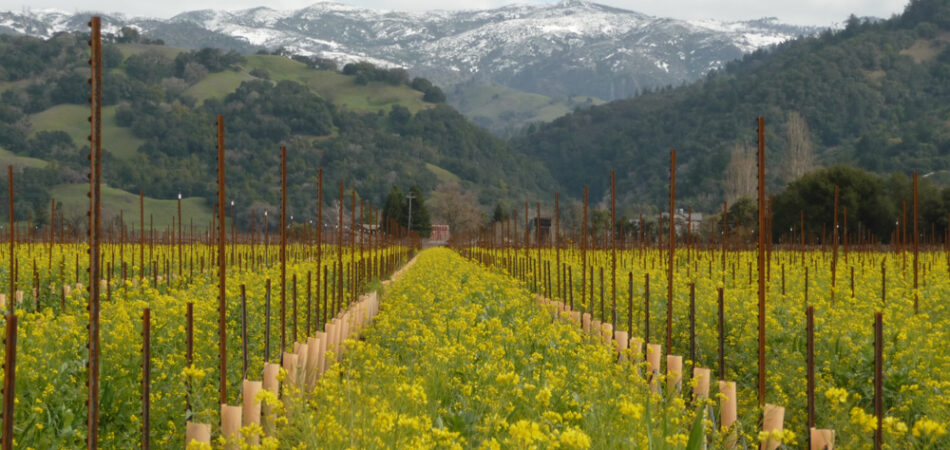
Oregon’s wine industry is renowned for its rich, expressive vintages, particularly from regions like the Willamette Valley. While much attention is given to grape varieties and harvesting techniques, the true foundation of a successful vineyard lies beneath the surface. Winter is a crucial period for tending to vineyard soil health in Oregon, a time when proactive efforts set the stage for a productive growing season. From soil fumigation to vineyard soil pH balancing, each winter soil care practice plays a vital role in sustaining vine health and fruit quality.
The Importance of Winter Vineyard Soil Care in Oregon
In the dormant winter months, vines rest, but growers work diligently to ensure the soil is primed for spring growth. Winter vineyard soil care in Oregon encompasses a comprehensive set of strategies aimed at replenishing, protecting, and optimizing soil conditions. This includes addressing soil compaction, managing organic matter, and evaluating nutrient levels. Given Oregon’s variable winter weather, which can shift from freezing temperatures to heavy rains, maintaining proper soil structure and drainage is essential.
Winter is also the ideal time for soil testing. This provides data on nutrient profiles, organic content, and pH levels. Testing allows growers to fine-tune amendments and plan for corrective action before the busy spring. The quiet season offers a rare window to address long-term soil concerns without disrupting active vine growth or risking damage to fruit-bearing canopies.
Soil Fumigation: Managing Vineyard Pathogens and Pests
One of the more intensive winter interventions in vineyard soil care is soil fumigation. Oregon vineyards, especially those in regions with long histories of grape production, often contend with soil-borne pathogens and pests that can persist for years. These include nematodes, fungal diseases like Fusarium, and even residual weed seeds that compete for nutrients.
Soil fumigation involves injecting chemical agents into the soil to eliminate these threats before planting or replanting. It is especially important when new vines are being introduced to previously used vineyard plots. While fumigation must be carefully regulated and planned due to environmental and safety concerns, it remains a powerful tool for restoring soil vitality.
Timing is critical. Fumigation during winter ensures that the soil is free of living vines and is not too saturated, allowing fumigants to permeate effectively. In Oregon, this process often takes place between late fall and early winter, giving the soil ample time to air out before spring planting. The practice, when done correctly, can dramatically reduce the need for future chemical interventions and create a healthier soil ecosystem.
Vineyard Soil pH Balancing: A Key to Nutrient Availability
Vineyard soil pH balancing is one of the most overlooked yet impactful aspects of winter vineyard soil care in Oregon. Soil pH influences the availability of essential nutrients such as nitrogen, phosphorus, potassium, and trace minerals. For grapevines, the optimal pH generally lies between 5.5 and 6.5, though this can vary depending on rootstock and grape variety.
Winter is the best time to make lime or sulfur applications to adjust soil pH. Lime increases pH in overly acidic soils, a common issue in Oregon’s wetter regions, while sulfur helps bring down the pH in more alkaline soils. These amendments take time to react with the soil and alter its chemistry, which is why winter applications are preferred. The months-long window before bud break allows for a gradual shift in pH that is more stable and predictable.
In addition to chemical amendments, growers often use organic matter like compost or manure to buffer soil pH and enhance microbial activity. The combination of organic and mineral inputs helps maintain pH within a tight range, preventing nutrient lockout and promoting vigorous root development come spring.
Addressing Soil Compaction and Drainage Challenges
Oregon’s winter rains, though vital for replenishing soil moisture, can also exacerbate problems with compaction and poor drainage. These conditions are especially problematic in heavier clay soils common to parts of the Willamette Valley. Compacted soil restricts root growth, reduces oxygen availability, and encourages anaerobic conditions that harm vine roots.
Winter is the ideal time to assess and remediate these issues. Cover cropping, a common practice in vineyard management, is particularly useful during the winter months. Grasses and legumes planted between vine rows help to prevent erosion, increase organic matter, and break up compacted layers with their root systems.
Some vineyards also employ mechanical aeration or deep tillage during the winter when vines are dormant. These methods can relieve compaction without risking root damage. Additionally, installing or upgrading sub-surface drainage systems during this season helps ensure that heavy winter precipitation does not saturate the root zone and promote rot or disease.
Addressing these physical soil properties during the winter contributes directly to healthier vines and more consistent yields in the growing season that follows.
Nutrient Replenishment and Organic Matter Management
The final piece in the winter vineyard soil care puzzle is the replenishment of nutrients and the management of organic matter. After a long growing season, soils are often depleted of vital elements like nitrogen, potassium, and micronutrients. Winter offers a low-risk opportunity to incorporate composts, manures, and other slow-release fertilizers that will enrich the soil over time.
Compost applied in winter not only feeds soil microbes but also improves structure, water retention, and long-term fertility. In Oregon, where sustainable and organic viticulture practices are becoming more widespread, composting is an increasingly popular approach. It reduces the reliance on synthetic fertilizers and closes the loop on vineyard waste.
Nutrient management during the winter also includes planning ahead. Based on soil test results, growers can calculate appropriate nutrient blends and application rates for the spring. This minimizes overuse, reduces leaching during rainy months, and aligns inputs with vine needs. Organic matter management is equally strategic: balancing carbon-to-nitrogen ratios in amendments ensures that nutrients are released at the right pace for vine uptake.
Ultimately, these efforts contribute to a more balanced, resilient soil system that supports vine health and wine quality over the long term.
Conclusion
Winter vineyard soil care in Oregon is far more than a seasonal chore. It is a deliberate, science-based process that underpins the entire year’s productivity and grape quality. Through soil fumigation, vineyard soil pH balancing, compaction management, and thoughtful nutrient replenishment, growers prepare their vineyards for success before a single bud has broken. These winter months allow for in-depth intervention without the pressures of active growth, making it the ideal time to invest in soil health.
As Oregon continues to grow in prominence as a world-class wine region, the emphasis on sustainable and effective winter soil care will only become more vital. From the valleys to the highlands, each vineyard’s legacy is rooted in the soil, and winter is when its strength is quietly restored.
Need Customized Soil Solutions in Pasco, WA?
Founded in 1992, Custom Orchard Fumigation was created by farmers for farmers. We take great pride in providing soil fumigation services to farmers throughout the state. We can also help growers find other services to help in growing their crops. We also provide all paperwork for our services to ensure all regulations are met. Our founder, Chris Ford, has a background in Forest Management, and we are conscious of reducing the environmental impact on the soil and surrounding areas of your plot. Custom Orchard Fumigation invites you to visit our website or give us a call today!