In the Pacific Northwest (PNW), agricultural production operates within a unique climate that demands innovative solutions for maintaining soil productivity and sustainability. One method gaining increasing attention is the integration of winter cover crops with soil fumigation. While these practices might seem contradictory at first glance, fumigation targets pathogens and weeds, and cover crops promote biodiversity, they can complement one another when strategically managed.
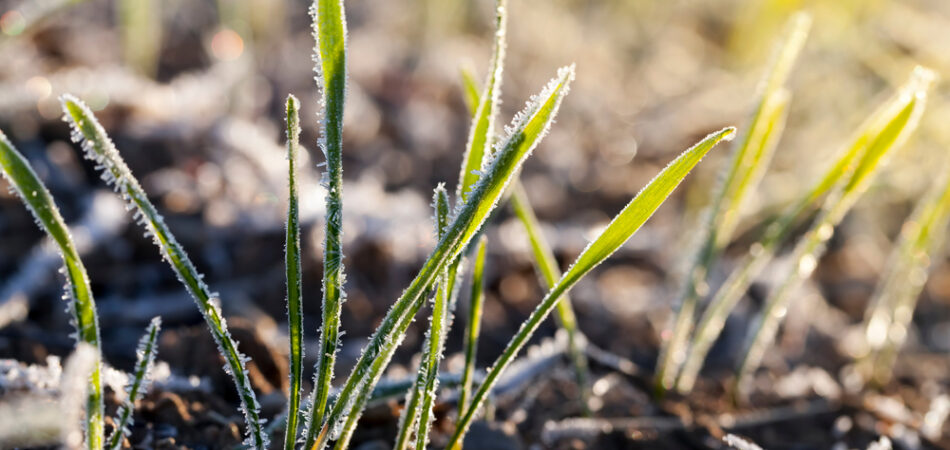
Winter cover crops in the PNW serve multiple functions, including erosion control, nutrient retention, organic matter enhancement, and suppression of winter weeds. The region’s mild, wet winters make it ideal for establishing cold-hardy species such as cereal rye, crimson clover, and hairy vetch. These species not only stabilize soil structure but also increase microbial activity and improve water infiltration, all of which contribute to long-term soil resilience. When integrated properly, these benefits can enhance the outcomes of soil fumigation, helping farmers meet both productivity goals and environmental standards.
Soil Fumigation: Balancing Short-Term Gains with Long-Term Health
Soil fumigation is a common practice in the PNW for managing soilborne pests, diseases, and weeds, particularly in high-value crops like strawberries, vegetables, and bulbs. It offers immediate pest suppression and prepares the soil for clean planting beds. However, it can also negatively impact beneficial soil organisms and deplete soil organic matter. This makes soil health recovery a critical consideration post-fumigation.
Incorporating winter cover crops before or after fumigation can provide a biological cushion that supports soil microbial repopulation and restores soil structure. The organic residues left behind by cover crops feed beneficial microbes and foster a more balanced soil ecosystem. Furthermore, certain cover crops can assist in scavenging residual fumigants, potentially reducing off-gassing and environmental contamination.
Timing plays a crucial role in this integration. For example, establishing cover crops immediately after fall fumigation allows their roots to stabilize the soil during the winter while contributing to microbial rebound. Alternatively, planting cover crops in early fall and terminating them before spring fumigation allows their biomass to build soil organic content and improve fumigant efficacy through better soil tilth.
Selecting Appropriate Cover Crops for Soil Health in the PNW
Choosing the right cover crops for soil health in the PNW is fundamental to successful integration with soil fumigation. Different species offer distinct benefits, and their compatibility with fumigation schedules must be considered.
Grasses like cereal rye are particularly suited to winter soil management due to their hardiness and root density, which enhance soil structure and prevent erosion. Legumes such as Austrian winter peas and crimson clover fix atmospheric nitrogen, enriching the soil for spring planting. Brassicas, including mustard and radish, are known for their biofumigant properties. These plants release natural compounds during decomposition that suppress pathogens and nematodes, offering a form of biological fumigation.
The key to integrating cover crops with fumigation lies in species selection based on the desired outcomes. For instance, if the primary goal is soil pathogen suppression, incorporating biofumigant brassicas before mechanical fumigation can deliver synergistic results. If the priority is soil organic matter recovery post-fumigation, fast-growing legumes and grasses that decompose quickly are ideal. Additionally, mixed-species cover crop blends can provide a balance of benefits, improving soil health across multiple dimensions.
Overcoming Challenges in Integrating Cover Crops with Fumigation
Although the integration of winter cover crops with soil fumigation offers many advantages, several challenges need to be addressed. One of the primary concerns is the potential for cover crop residue to interfere with fumigant distribution. High biomass residues can absorb fumigants unevenly, reducing their efficacy. This can be mitigated by carefully timing cover crop termination and using soil preparation techniques that incorporate residues thoroughly before fumigation.
Another challenge is scheduling within the tight planting windows of the PNW climate. Farmers must balance cover crop growth periods with optimal fumigation and planting dates for cash crops. Tools like growing degree day models and real-time weather forecasting can aid in managing these time-sensitive operations effectively.
Additionally, there is a need to consider fumigant regulatory restrictions. Some fumigants require specific soil conditions to minimize volatility and leaching. The presence of cover crops, especially if not properly incorporated, can affect soil moisture and temperature profiles. These factors need to be closely monitored to stay compliant with regulations and ensure fumigant performance.
Economic considerations also come into play. While cover crops offer long-term savings through improved soil health and reduced input costs, they require up-front investment in seeds, labor, and management. Incentive programs and technical support from extension services can play a vital role in encouraging more growers to adopt these integrated practices.
PNW Strategies for Winter Soil Management and Long-Term Sustainability
In the context of winter soil management, integrating cover crops with fumigation provides a powerful strategy for building resilience into farming systems. The PNW’s unique climatic conditions, wet winters, mild temperatures, and varied microclimates, create both challenges and opportunities for growers. Strategic winter cover crop planning allows growers to protect their soil during the dormant season while setting the stage for productive spring planting.
Farmers are increasingly adopting rotational approaches where cover crops precede fumigation or vice versa, depending on the crop cycle. In perennial systems like berries or tree fruits, cover crops are often planted in alleyways or fallow sections to maintain living roots in the soil during winter. In annual cropping systems, terminating cover crops just before spring fumigation maximizes biomass while preparing the soil for treatment.
Advances in precision agriculture are also aiding these efforts. Soil sensors, remote imagery, and microbial assays allow growers to make informed decisions about when to terminate cover crops and how to adjust fumigation rates accordingly. This data-driven approach not only improves the integration of practices but also enhances environmental stewardship.
As concerns about climate change and sustainability grow, practices that support long-term soil health will become increasingly important. The synergy between winter cover crops and soil fumigation, when managed correctly, aligns with these broader goals by reducing erosion, enhancing biodiversity, and improving nutrient cycling across PNW farms.
Conclusion
The integration of winter cover crops with soil fumigation in the Pacific Northwest represents a forward-thinking approach to sustainable agriculture. While each practice serves distinct purposes, their thoughtful combination creates a more resilient and productive soil system. By selecting appropriate cover crop species, timing their planting and termination with fumigation schedules, and leveraging technological tools, PNW farmers can optimize both immediate crop success and long-term soil health.
This holistic strategy supports ecological balance, meets regulatory requirements, and enhances the economic viability of farming operations. As the region continues to confront environmental and agricultural challenges, embracing integrated soil management strategies like these will be essential for a thriving and sustainable future.
Need Customized Soil Solutions in Pasco, WA?
Founded in 1992, Custom Orchard Fumigation was created by farmers for farmers. We take great pride in providing soil fumigation services to farmers throughout the state. We can also help growers find other services to help in growing their crops. We also provide all paperwork for our services to ensure all regulations are met. Our founder, Chris Ford, has a background in Forest Management, and we are conscious of reducing the environmental impact on the soil and surrounding areas of your plot. Custom Orchard Fumigation invites you to visit our website or give us a call today!