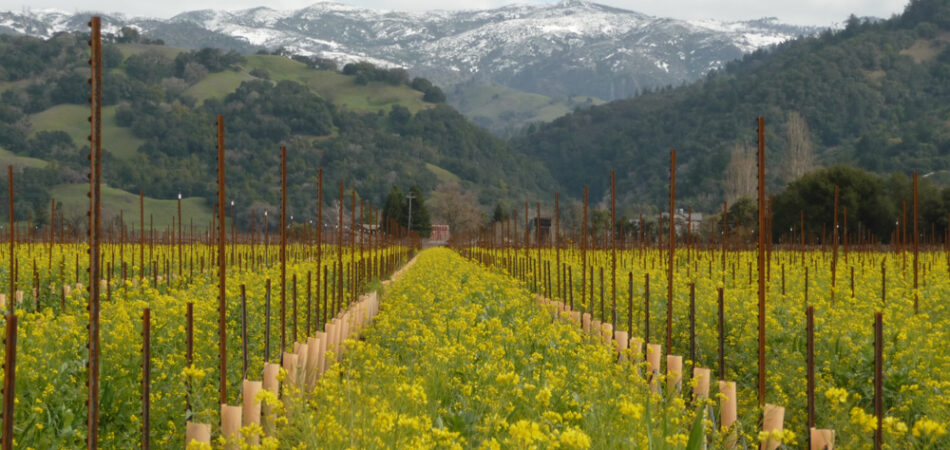
The wine country of Eastern Washington is unlike anywhere else in the Pacific Northwest. Kennewick and Richland, nestled in the heart of the Tri-Cities region, sit atop some of the most minerally complex soils in the country. Vineyards here benefit from volcanic ash deposits, river-influenced silt loams, and a continental climate that pushes vines to produce intensely flavored fruit. But none of that natural potential is realized without deliberate, science-backed soil management.
Whether you are a seasoned grower or just breaking ground on a new vineyard block, working with a professional soil consultant can mean the difference between a struggling crop and a thriving one.
Understanding Your Soil: The Foundation of Every Great Vineyard
Before any vine goes into the ground, the soil beneath it tells a story. A comprehensive soil testing service in Pasco, WA and the surrounding Tri-Cities region gives growers a precise snapshot of what nutrients are present, what is deficient, and what might be actively working against vine health. Testing measures pH, organic matter content, macro and micronutrient levels, cation exchange capacity, and drainage characteristics. Each of these data points shapes every decision that follows, from irrigation scheduling to fertilization timing.
Vineyards in the Columbia Basin often deal with high pH soils, low organic matter, and alkaline conditions that lock out key nutrients like iron, zinc, and manganese. Without a detailed soil test, growers are essentially guessing. And in viticulture, guessing is expensive. A single season of zinc deficiency can stunt shoot growth and reduce cluster set, costing a grower thousands of dollars per acre in lost yield. Soil testing transforms guesswork into precision, giving consultants and growers a roadmap they can actually follow.
Regular testing also tracks changes over time. Soil is not static. Irrigation water, compost applications, cover crops, and tillage all alter the soil profile. Annual or biennial testing allows growers to catch problems early, validate the effectiveness of amendments, and fine-tune inputs year over year. This is the kind of incremental, data-driven management that separates high-performing vineyards from average ones.
Soil Amendment Strategies That Work for Columbia Basin Vineyards
Once the data is in hand, the real work begins. Soil amendment in Pasco, WA and the broader Tri-Cities area requires a regionally specific approach. Generic amendment programs designed for coastal soils or Midwestern farmland simply do not translate to the volcanic, sandy loams of Eastern Washington. Successful programs address the actual constraints identified in testing, not assumed ones.
For high-pH soils, elemental sulfur applications lower pH over time and unlock tied-up nutrients. Gypsum is often used to improve soil structure in compacted zones without significantly altering pH. Compost and biochar additions build organic matter, which is chronically low in many Columbia Basin soils and essential for moisture retention in this semi-arid climate. Targeted micronutrient applications, often through foliar sprays or fertigation, correct specific deficiencies quickly while longer-term soil amendments build a more balanced root zone over multiple seasons.
A skilled consultant does not apply amendments uniformly across an entire vineyard. Soil variability within a single block can be significant. Strategic sampling on a grid pattern, or by identifiable soil zones, allows amendments to be applied only where needed. This approach reduces input costs, avoids over-application, and produces a more consistent canopy and fruit profile across the vineyard. Precision amendment work is one of the highest-leverage investments a vineyard owner can make.
Land Preparation: Setting Up New Plantings for Long-Term Success
New vineyard development in the Kennewick and Richland area demands serious attention to land preparation in Pasco, WA and the surrounding region before a single vine is planted. Poor pre-plant preparation is one of the most common and costly mistakes new growers make. Problems buried underground before planting become far more expensive to correct after the vines are established.
Thorough land preparation begins with deep ripping to break up hardpan layers that would otherwise restrict root development. Columbia Basin soils frequently have caliche or compacted subsoil layers that block drainage and confine roots to shallow zones. Deep tillage, sometimes to 36 inches or more, fractures these layers and creates the open, well-aerated soil structure that young vines need to establish a deep, drought-tolerant root system.
Pre-plant fumigation or biological soil treatment addresses soilborne pathogens and nematode populations before they can affect young vines. Cover cropping during the establishment period builds organic matter and improves soil structure while also managing erosion on newly worked ground. Proper grading ensures that irrigation water moves efficiently across the vineyard floor without pooling in low spots or running off high ground before it can infiltrate. All of these steps are guided by the results of pre-plant soil testing, making the testing phase and the preparation phase deeply interconnected.
Non-Herbicide Weed Control for Healthier Soils and Cleaner Fruit
Weed management is one of the most persistent challenges in vineyard farming, and it is also one of the areas where grower practices are evolving most rapidly. Many growers are actively seeking non-herbicide weed control strategies to reduce chemical inputs, protect soil biology, and meet the expectations of buyers and certifiers who prioritize sustainable or organic production.
Non-herbicide approaches include cultivation tillage in the vine row and between rows, flame weeding for early-season weed flushes, cover cropping in row middles to outcompete weeds through canopy closure, and the use of organic mulches like wood chips or straw to suppress weed germination near the vine base. Each of these tools has a time and a place, and the most effective programs combine several methods rather than relying on any single one.
Soil health is directly tied to weed management strategy. Heavy herbicide use can reduce microbial diversity, disrupt mycorrhizal networks, and create resistant weed populations over time. Transitioning to a non-herbicide program often reveals improvements in soil structure and biological activity within just a few seasons. For vineyards pursuing organic certification, non-herbicide weed control is not optional; it is central to the entire production system. A knowledgeable consultant helps growers design a transition plan that is realistic, cost-effective, and matched to the specific weed pressure and soil conditions of each vineyard.
Farm Management Planning for Long-Term Vineyard Productivity
Sustainable vineyard success requires more than individual interventions. It requires a coherent, season-by-season management framework. Professional farm management in Pasco, WA and the Tri-Cities region integrates soil health, irrigation scheduling, pest and disease monitoring, fertility programs, and harvest timing into a single coordinated plan. Without that coordination, even excellent inputs and amendments can underperform simply because they are not timed or sequenced correctly.
Effective farm management begins with clear goals. Is the priority yield, fruit quality, water use efficiency, or certification compliance? Different goals drive different decisions, and a good consultant helps growers clarify priorities and build programs that serve them. Seasonal calendar planning, input budgeting, and record-keeping systems form the backbone of a well-managed operation. Growers who invest in structured farm management plans consistently outperform those who respond reactively to problems as they arise.
Long-term soil health is also a farm management issue. Organic matter targets, cover crop rotations, compost programs, and reduced tillage strategies all require multi-year commitment to show their full benefit. A consultant who tracks soil data over time and adjusts programs accordingly is a genuine partner in building vineyard equity, not just a vendor selling inputs.
Conclusion
The vineyards of Kennewick and Richland have remarkable natural advantages, but those advantages only translate into exceptional wine when the soil beneath the vines is actively managed with skill and precision. From soil testing and amendment to land preparation, non-herbicide weed control, and integrated farm management, every layer of a sound soil program contributes to vine health, fruit quality, and long-term profitability. Working with an experienced soil consultant gives growers the expertise and the data to make confident decisions, season after season.
Need Customized Soil Solutions in Pasco, WA?
Founded in 1992, Custom Orchard Fumigation was created by farmers for farmers. We take great pride in providing soil fumigation services to farmers throughout the state. We can also help growers find other services to help in growing their crops. We also provide all paperwork for our services to ensure all regulations are met. Our founder, Chris Ford, has a background in Forest Management, and we are conscious of reducing the environmental impact on the soil and surrounding areas of your plot. Custom Orchard Fumigation invites you to visit our website or give us a call today!