For growers who depend on consistent yields and healthy crops season after season, few decisions carry more weight than the timing of pre-plant soil fumigation. Getting it right can mean the difference between a thriving field and a disappointing harvest. Getting it wrong can cost time, money, and the kind of momentum that takes years to rebuild.
Understanding why timing is so critical, and what factors influence that window, is one of the most valuable things a farmer or agronomist can carry into the field.
What Pre-Plant Soil Fumigation Actually Does
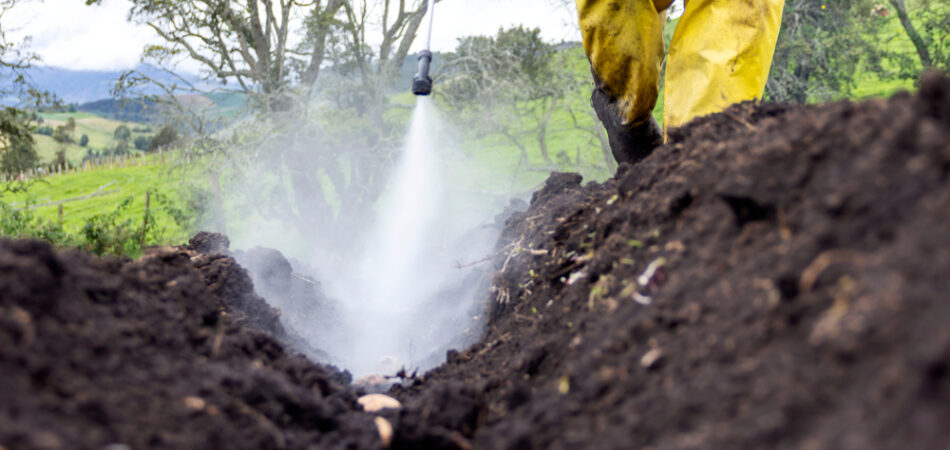
Soil fumigation is the process of applying chemical agents to the soil before planting in order to reduce or eliminate soil-borne pathogens, nematodes, weed seeds, and other harmful organisms that can devastate crops before they ever reach maturity. Unlike surface treatments or foliar sprays, fumigants penetrate deep into the soil profile, reaching organisms that other pest management tools simply cannot touch.
The process works by releasing gases that move through soil pore spaces, killing or suppressing target pests at the microbial and organism level. When applied correctly, soil fumigation creates a cleaner, more controlled growing environment that gives seeds and transplants the best possible start. However, the fumigant does not discriminate between harmful and beneficial soil life, which is exactly why timing, soil preparation, and follow-up management all matter so much.
For high-value crops like strawberries, tomatoes, peppers, and nursery stock, pre-plant soil fumigation is often not just recommended but considered essential to protecting the investment already made in land, labor, and inputs.
Why Timing Is the Most Critical Variable
Ask any experienced agronomist about soil fumigation and timing will come up within the first few sentences. The effectiveness of a fumigant application depends heavily on soil temperature and moisture conditions at the time of treatment. Soil that is too cold will not allow the fumigant to move properly through the profile, leaving uneven coverage and pockets where pests survive. Soil that is too hot can cause the gas to volatilize too quickly, reducing its contact time with target organisms.
The ideal soil temperature window for most fumigant applications falls between 50 and 85 degrees Fahrenheit, measured at a depth of six inches. Within that range, fumigants distribute more uniformly, maintain effective concentration levels longer, and break down at a rate that allows for safe re-entry and planting timelines.
Timing also has a direct relationship with farm management services and the scheduling demands of the entire operation. A fumigation application needs to be planned well ahead of the target planting date, accounting for the required holding period after treatment before the soil is safe to plant. Rushing this window can expose young plants to residual chemical activity, while waiting too long after the optimal window can allow re-infestation from surrounding areas.
Seasonal timing matters, too. In many regions, late summer and early fall represent the best window for pre-plant treatments because soil temperatures are within range, the crop calendar allows for the necessary waiting period, and rainfall patterns support good soil moisture without waterlogging.
The Role of Soil Testing Before Fumigation
One of the most important steps a grower can take before scheduling a fumigation treatment is conducting thorough soil testing. Soil testing is not simply about checking nutrient levels, though that information is valuable. In the context of pre-plant preparation, it is about identifying what pest pressure actually exists, understanding the soil’s physical and chemical properties, and making an informed decision about which fumigant product and application rate will be most effective.
Testing for nematode populations, fungal pathogen levels, and weed seed banks gives growers and their advisors the data needed to justify fumigation as a management strategy rather than applying it as a default. In some cases, soil testing reveals that pressure is lower than expected, allowing for reduced application rates or targeted approaches that lower cost and environmental impact.
Beyond pest profiling, soil testing also reveals factors like organic matter content, texture, and pH, all of which affect how fumigants move through the profile. Sandy soils behave very differently than clay-heavy soils, and a one-size-fits-all application rate will not account for those differences. Informed application, grounded in real soil data, consistently outperforms guesswork.
Soil Amendment and Its Connection to Fumigation Success
Pre-plant soil fumigation does not exist in isolation. It works best when it is part of a broader soil health program that includes strategic soil amendment practices before and after treatment. Growers who amend their soils thoughtfully tend to see better fumigation results and longer-lasting benefits.
Before fumigation, soil amendment efforts should focus on creating the physical conditions that allow fumigants to work properly. Incorporating organic matter, correcting compaction through tillage, and adjusting pH to appropriate levels all contribute to a more receptive soil environment. Soil that is well-structured and properly conditioned allows the fumigant to move through pore spaces more efficiently.
After fumigation, soil amendment becomes about re-establishing biological activity in a way that supports the crop without undoing the benefits of the treatment. Targeted additions of beneficial microorganisms, compost, or cover crop residues can help rebuild a functional soil ecosystem over time. The key is patience and planning: amending too aggressively too soon after treatment can introduce variability that undermines the fumigation investment.
Working with farm management services that understand both the chemistry of fumigation and the biology of soil health is one of the best ways to navigate these decisions without costly trial and error.
Building Fumigation Into a Long-Term Farm Management Plan
Pre-plant soil fumigation is most valuable when it is not treated as an emergency response but as a planned component of a long-term farm management services strategy. Growers who integrate fumigation decisions into their annual planning cycles consistently get better outcomes than those who react to problems after they appear.
Planning ahead means scheduling soil testing months before the intended treatment window, securing product and application contractors early, and aligning the fumigation timeline with cover cropping rotations, irrigation scheduling, and planting calendars. It also means keeping records of treatment history, soil test results, and yield outcomes so that future decisions are based on field-specific data rather than general assumptions.
Long-term planning also creates opportunities to rotate fumigation strategies, reducing the risk of resistance development and allowing for periods of biological recovery between intensive treatments. Farms that combine soil testing, soil amendment, and targeted soil fumigation within a structured farm management services framework tend to see compounding benefits over time: healthier soils, more predictable yields, and lower per-acre pest management costs.
Conclusion
Timing a pre-plant soil fumigation application correctly is not a minor detail. It is a foundational decision that affects the entire growing season. When grounded in quality soil testing, supported by smart soil amendment practices, and integrated into a coherent farm management services plan, fumigation becomes a strategic asset rather than a costly gamble. Growers who invest in understanding the timing window, and who work with knowledgeable advisors to hit it consistently, put themselves in a far stronger position to protect their crops and their bottom line.
Need Customized Soil Solutions in Pasco, WA?
Founded in 1992, Custom Orchard Fumigation was created by farmers for farmers. We take great pride in providing soil fumigation services to farmers throughout the state. We can also help growers find other services to help in growing their crops. We also provide all paperwork for our services to ensure all regulations are met. Our founder, Chris Ford, has a background in Forest Management, and we are conscious of reducing the environmental impact on the soil and surrounding areas of your plot. Custom Orchard Fumigation invites you to visit our website or give us a call today!